
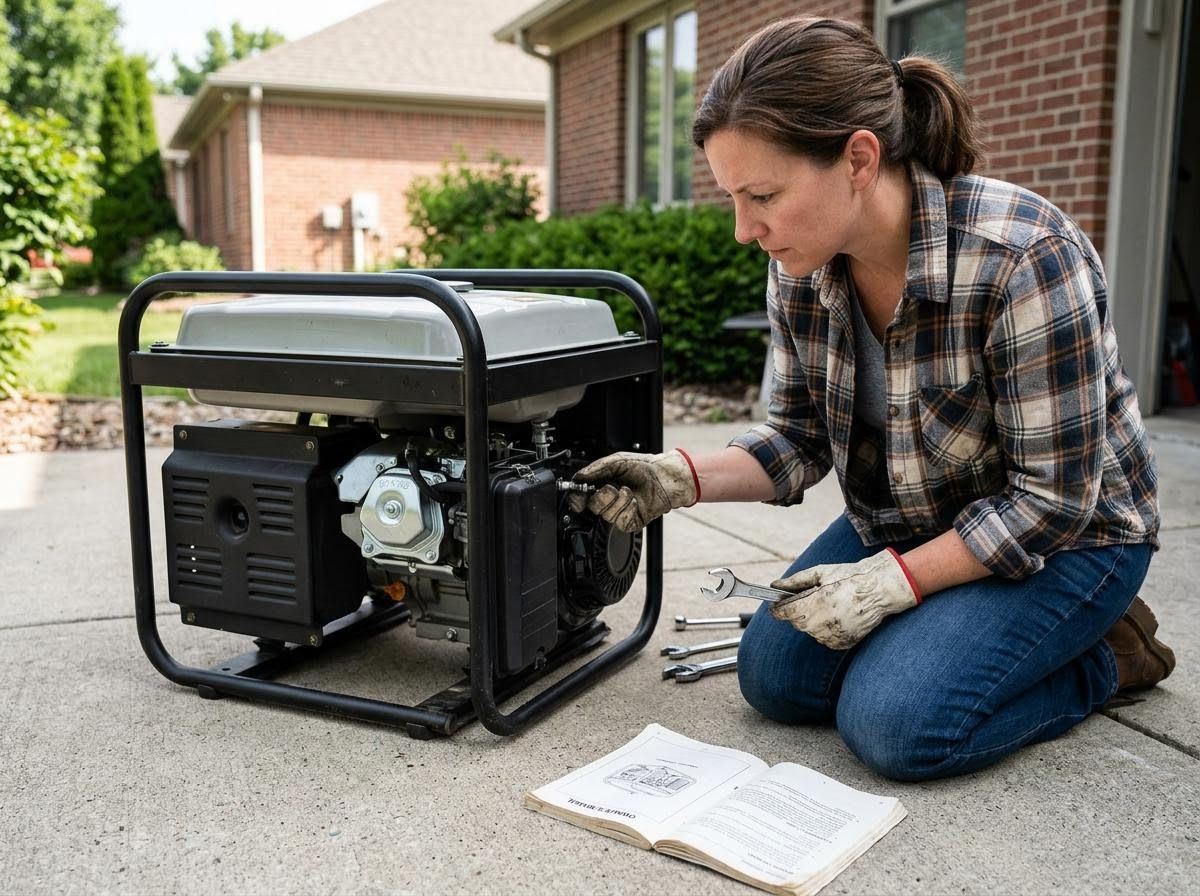
Generators are vital for maintaining power during outages, providing peace of mind and continuity for your home or business. While these powerful units are designed for reliability, occasional issues can arise. This guide from Amped Up Electrical LLC offers quick troubleshooting tips to help you identify and potentially resolve common generator problems, ensuring you're never left in the dark for long. Understanding these basics can be a real lifesaver when the power goes out.
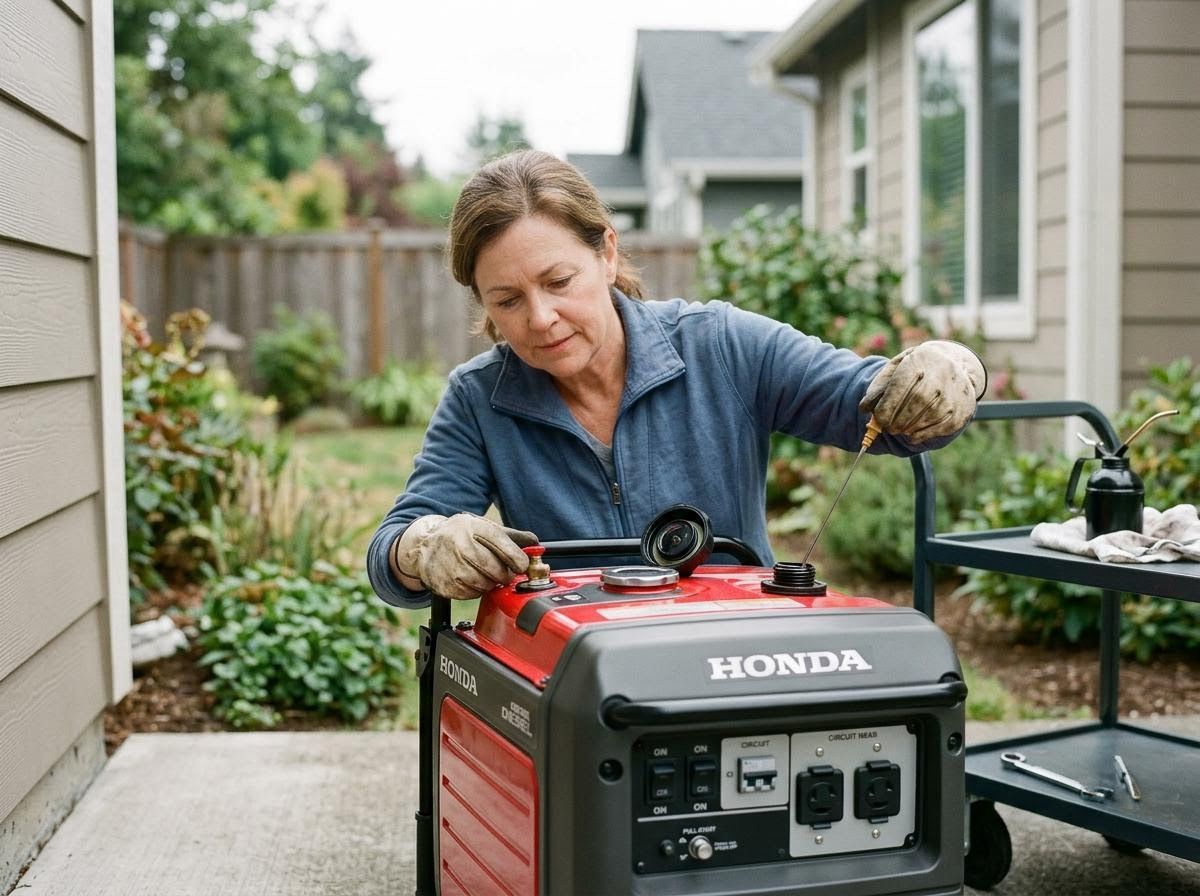
Start with the Basics: Fuel, Oil, and Switches
Before diving into complex diagnostics, always perform a few fundamental checks. First, confirm that your generator has sufficient fuel and that the fuel valve is open. A surprising number of generator issues stem from an empty tank or a closed valve. Next, check the oil level; low oil can trigger safety shutdowns, preventing the engine from starting. Finally, ensure all power switches, including the main breaker on the generator itself, are in the "on" or "run" position. Don't forget to check the spark plug wire to ensure it's securely attached.
When Your Generator Cranks but Won't Start
If your generator cranks but fails to ignite, the problem often lies with the ignition system or air intake. Begin by inspecting the spark plug. A dirty, fouled, or damaged spark plug can prevent proper combustion. You might need to clean it or replace it if it looks worn. Another common culprit is a clogged air filter, which can starve the engine of necessary air. Clean or replace the air filter as needed. Additionally, ensure the choke is correctly set for starting, typically fully engaged for a cold engine and gradually released as it warms up. For persistent starting issues, especially with your backup generator installation, it might indicate a deeper problem requiring professional attention.
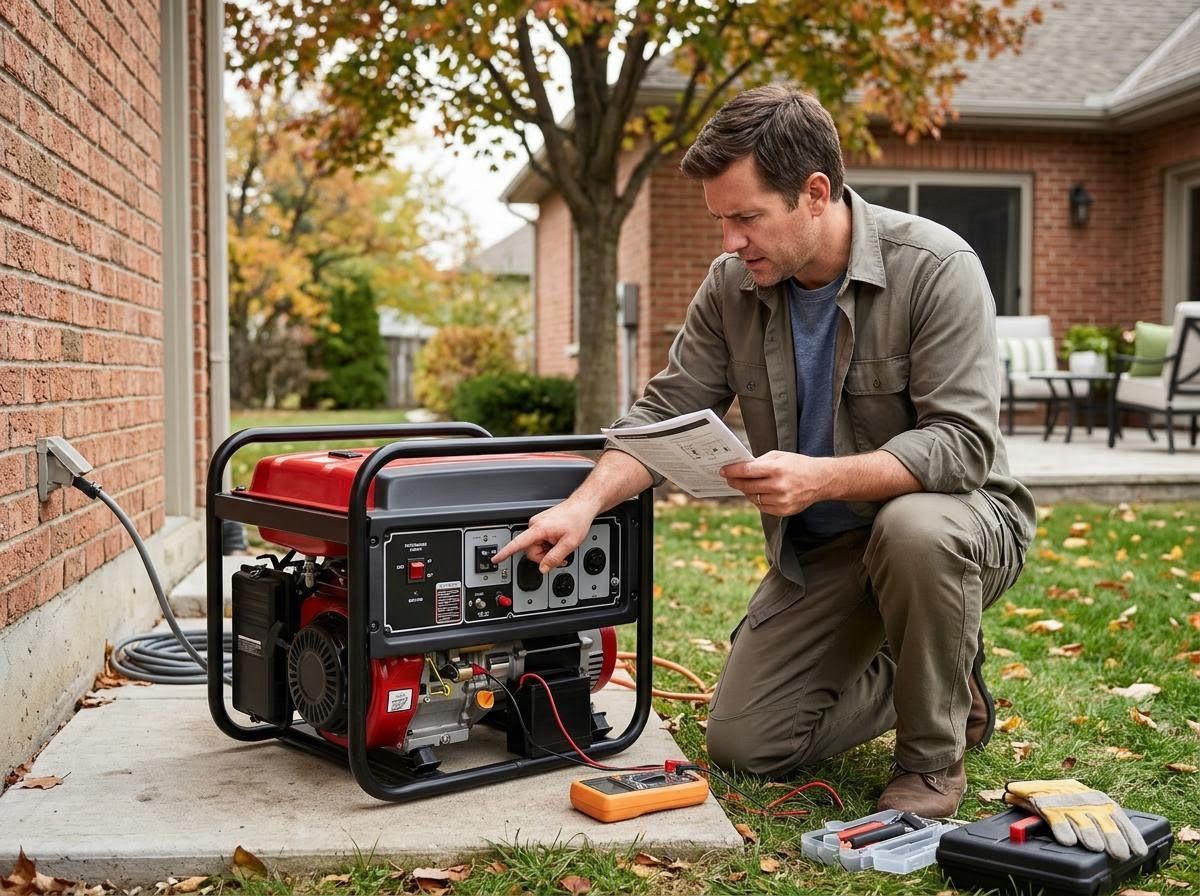
Dealing with No Power Output or Fluctuations
Even if your generator starts and runs, you might encounter issues with power delivery. The first step is to check the circuit breakers on the generator's control panel. An overloaded circuit or a fault can trip these breakers. Reset them if they are tripped. If the problem persists, ensure that the power transfer switch, if you have one, is correctly engaged and functioning. Sometimes, an issue can be as simple as an overloaded extension cord or a faulty connection to your home's main panel. If you suspect an internal electrical fault or need assistance with your system, finding a qualified electrician near me or electrical contractors near me is crucial for safe and effective diagnostics and repair.
Regular maintenance and knowing these basic troubleshooting steps can significantly extend the life and reliability of your generator, offering invaluable peace of mind. While many minor issues can be resolved with a quick check, complex electrical problems always warrant professional expertise. For trusted generator services, routine maintenance, or even inquiries about a new backup generator installation or EV charger installation, Amped Up Electrical LLC is here to help. Explore our website for more tips and to learn how our dedicated team can keep your power flowing smoothly.